
Blogs
Why Blaming Others Keeps You Stuck (and How to Reclaim Your Power)
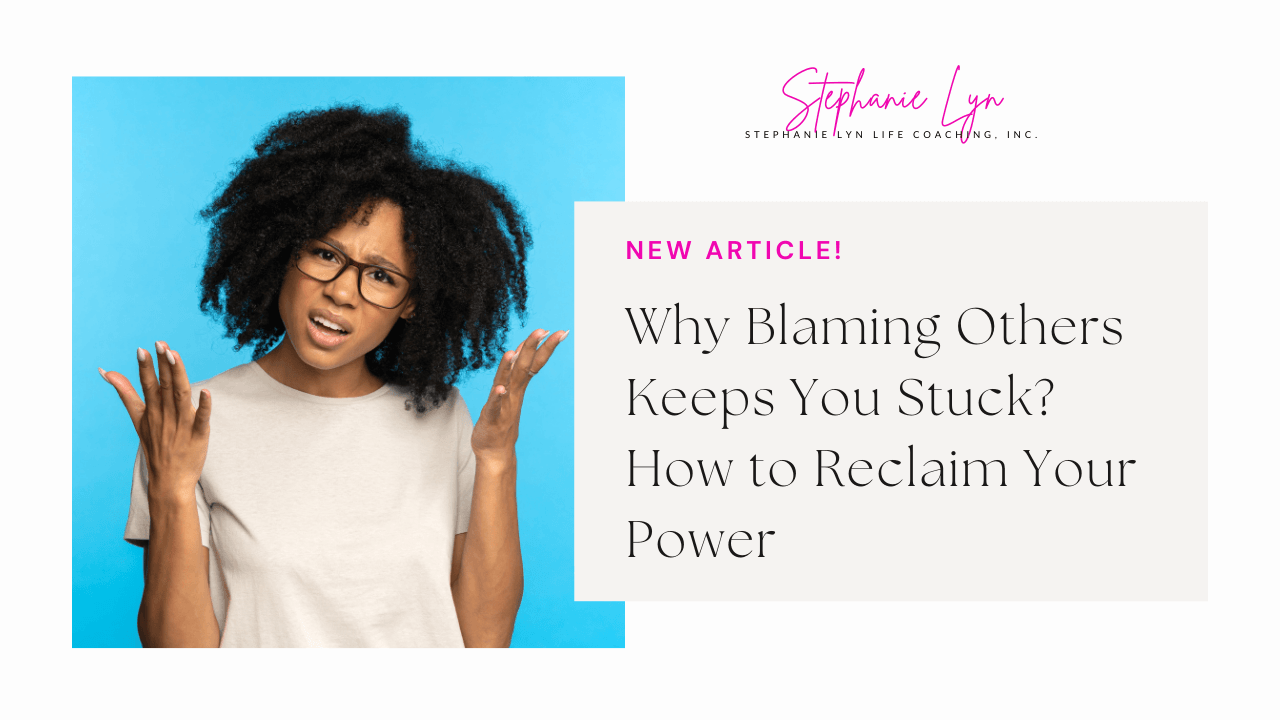
It is human nature to want to point the finger when something hurts. When a relationship ends in a mess of betrayal, when we are mistreated by a partner, or when life hands us a situation we never asked for, blame feels like a sanctuary. It gives us a place to put the pain so we don’t have to carry the weight of it alone.
But there is a hard truth we eventually have to face: Blame is a comfortable cage. It feels safe because it keeps the spotlight off us, but it is a cage nonetheless. The longer you spend focusing on what they did, the longer you remain tethered to the very person or situation that broke you.
The Distinction Between Truth and Growth
Let’s be very clear: acknowledging that someone treated you poorly is not "blaming." Some people are unhealthy. Narcissistic behavior is real, gaslighting is real, and you may have been dealt an incredibly difficult hand.
All of those things can be true at the same time. However, healing doesn’t happen in the space where we dwell on their mistakes. Healing begins the moment you shift your focus away from their dysfunction and toward your own growth. If you stay in the "blame phase," you are essentially waiting for the person who hurt you to provide the tools for your recovery. They can't do that.
Blame and Projection Prevent Reflection
When all of your mental and emotional energy is spent replaying someone else’s behavior—analyzing their texts, wondering why they lied, or waiting for an apology that will never come—you miss a vital opportunity. You miss the chance to ask yourself the deeper, life-changing questions:
What patterns do I keep repeating?
Why did I stay when my gut told me to leave?
What was I trying to "fix" in them that I haven't fixed in myself?
What do I need to learn so I never end up in this position again?
Blame is a shield that protects us from the discomfort of these questions. But these questions are the only path to a different future.
Ownership Is Not Absolution
Many people resist "taking responsibility" because they think it means they are excusing the other person’s behavior. They think that if they stop blaming, they are saying, "It’s okay that you hurt me."
That couldn't be further from the truth. Taking ownership is about reclaiming your power. When you blame, you are a victim of someone else’s choices. When you take responsibility, you become the architect of your own life. The moment you stop waiting for them to change, apologize, or finally "get it," you are no longer under their control. You are finally free to move forward on your own terms.
Healing Is an Inside Job
Real transformation requires a radical shift in perspective. It requires the courage to say, "It wasn't my fault that they treated me this way, but it is my responsibility to ensure I never tolerate it again."
Choosing responsibility over blame is not the "easy" path. It’s much easier to stay angry and wait for justice. But justice rarely comes from the person who hurt you; justice comes from you living a life so full and so confident that their opinion of you no longer matters.
Healing is an inside job. It’s hard work, it’s messy, and it’s deeply personal. But making the choice to stop blaming and start reflecting is the most freeing decision you will ever make. It is the exact moment your "next chapter" truly begins.
2026 Stephanie Lyn Life Coaching, Inc